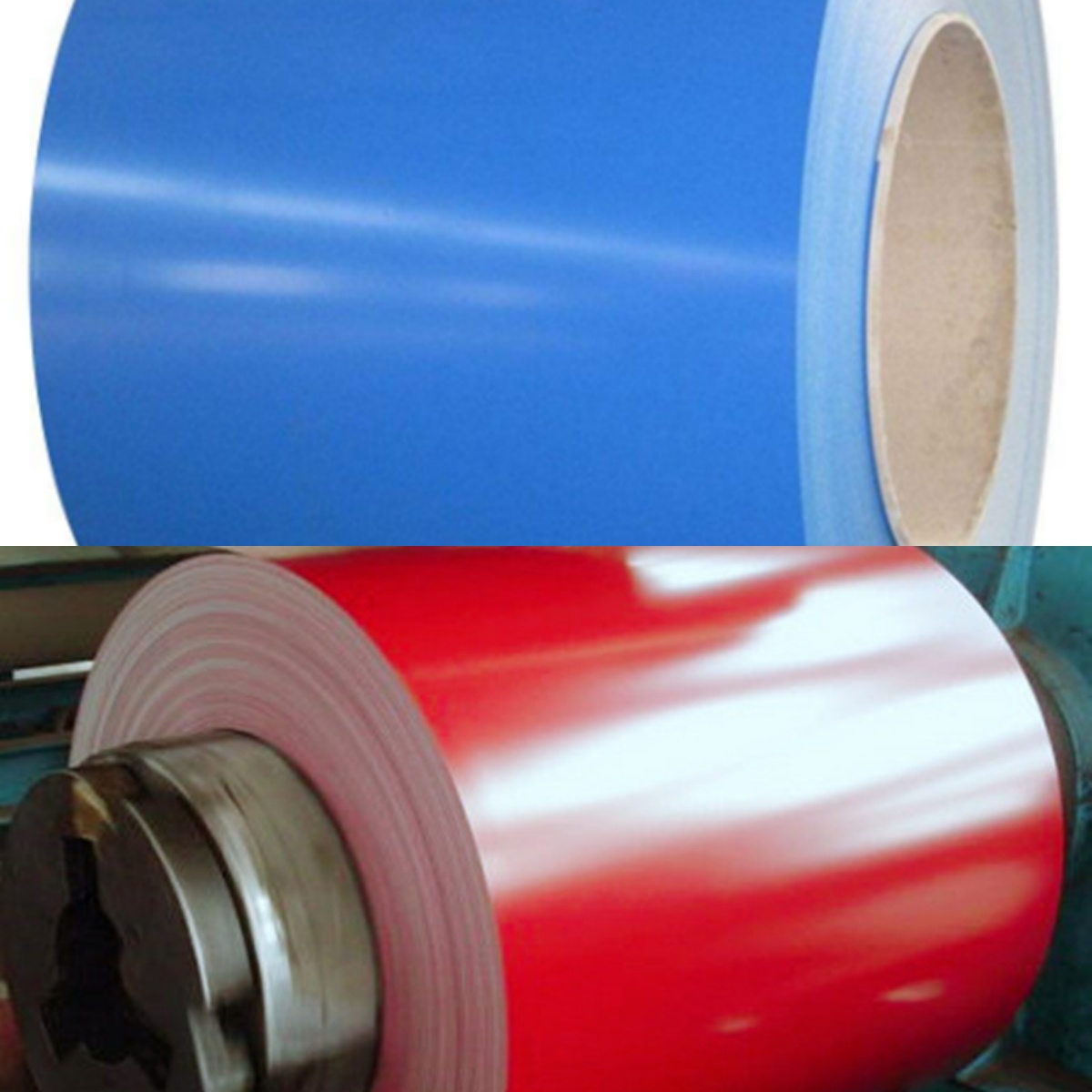
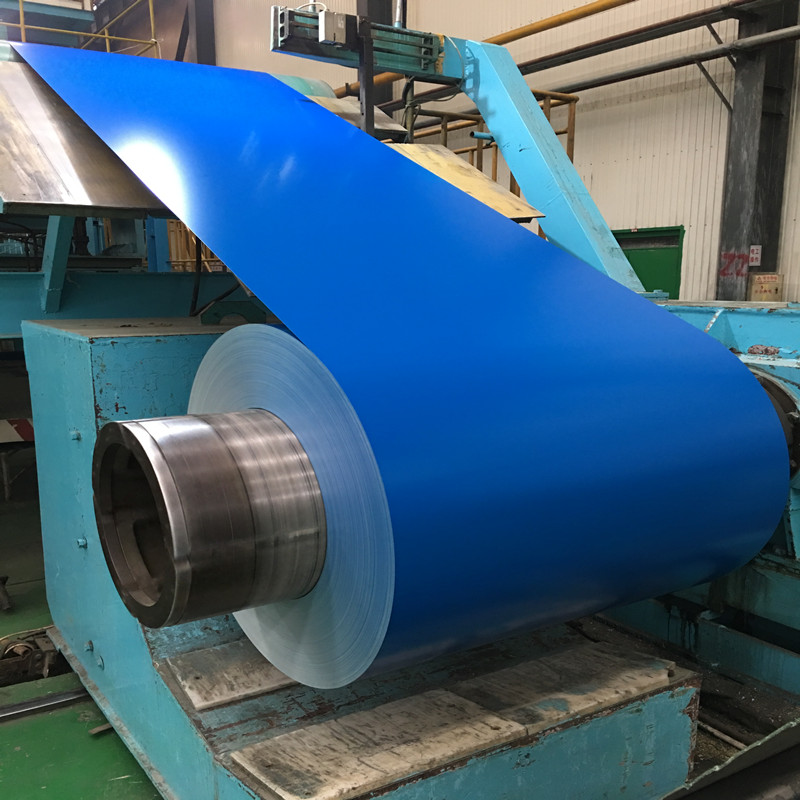
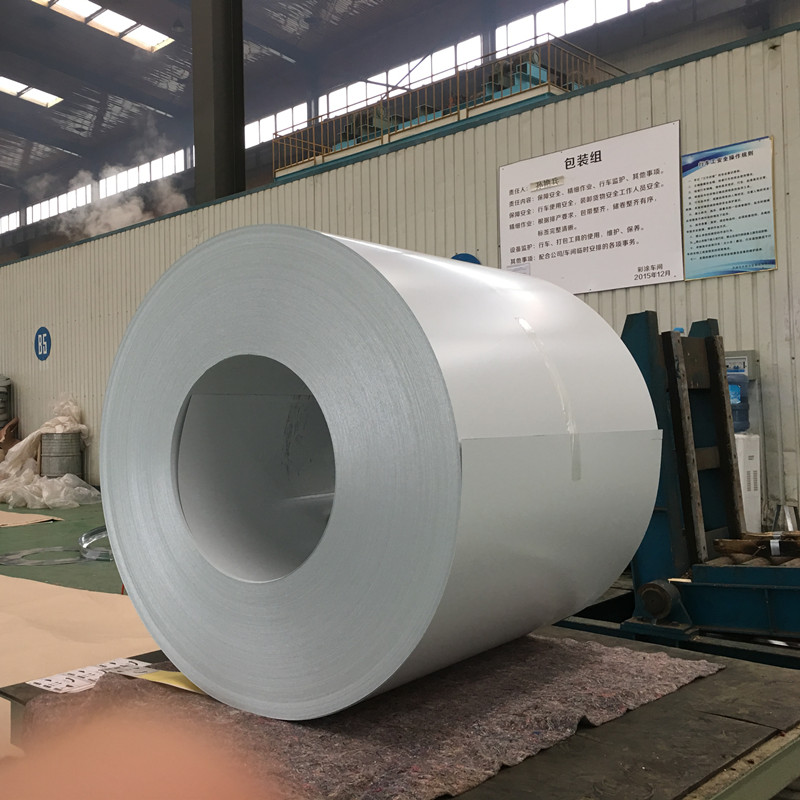
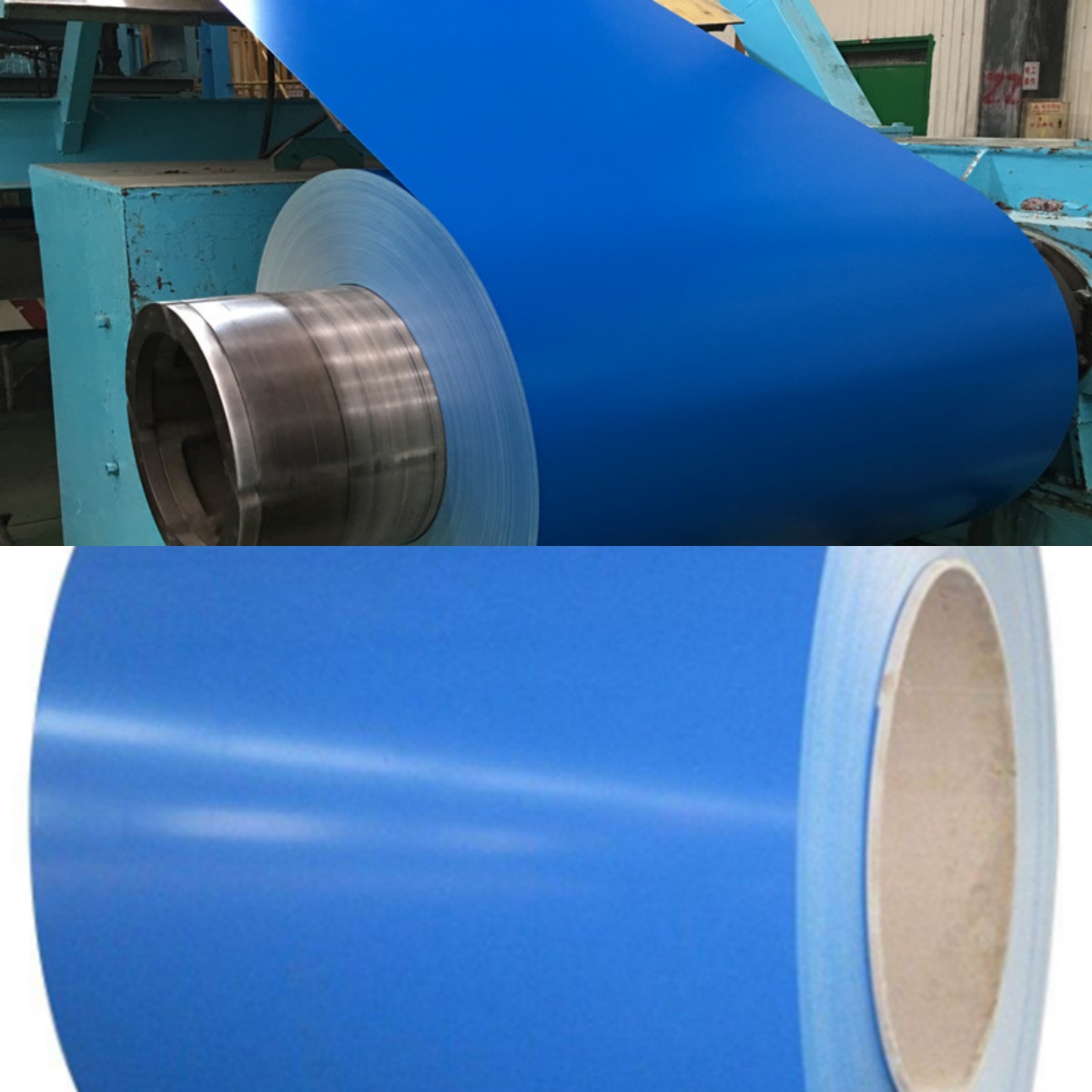

The Science of Continuous Coil Coating
Prepainted steel is produced on a continuous coil coating line where the strip is first cleaned, pre‑treated (chromate or chrome‑free), primed, cured, top‑coated, cured again, and cooled. Understanding the thermal and chemical processes is key to specifying the right product.
Process Stages & Impact
Pretreatment: A conversion coating (chromium phosphate or zirconium‑based nano‑ceramic) is applied to enhance paint adhesion and corrosion resistance under the film.
Primer Coating: Typically epoxy or polyester‑based (5‑10μm). Epoxy primers offer superior adhesion and corrosion resistance; polyurethane primers provide better flexibility. Cured to a peak metal temperature (PMT) of 204‑232°C.
Topcoat Curing: The PMT and dwell time in the oven are critical. Undercure leads to poor solvent resistance (low MEK rubs) and chalking; overcure makes the coating brittle (poor T‑bend). HDP and PVDF require higher PMT and precise air‑circulation ovens.
Cooling & Embossing: Water quenching or air cooling followed by skin pass or embossing rollers to create textured surfaces.
Quality Control Checks
MEK Rub: 50 double rubs to test cure degree.
T‑bend: 0T to 3T to check flexibility and adhesion.
Pencil Hardness: Usually HB‑2H for architectural coatings.